
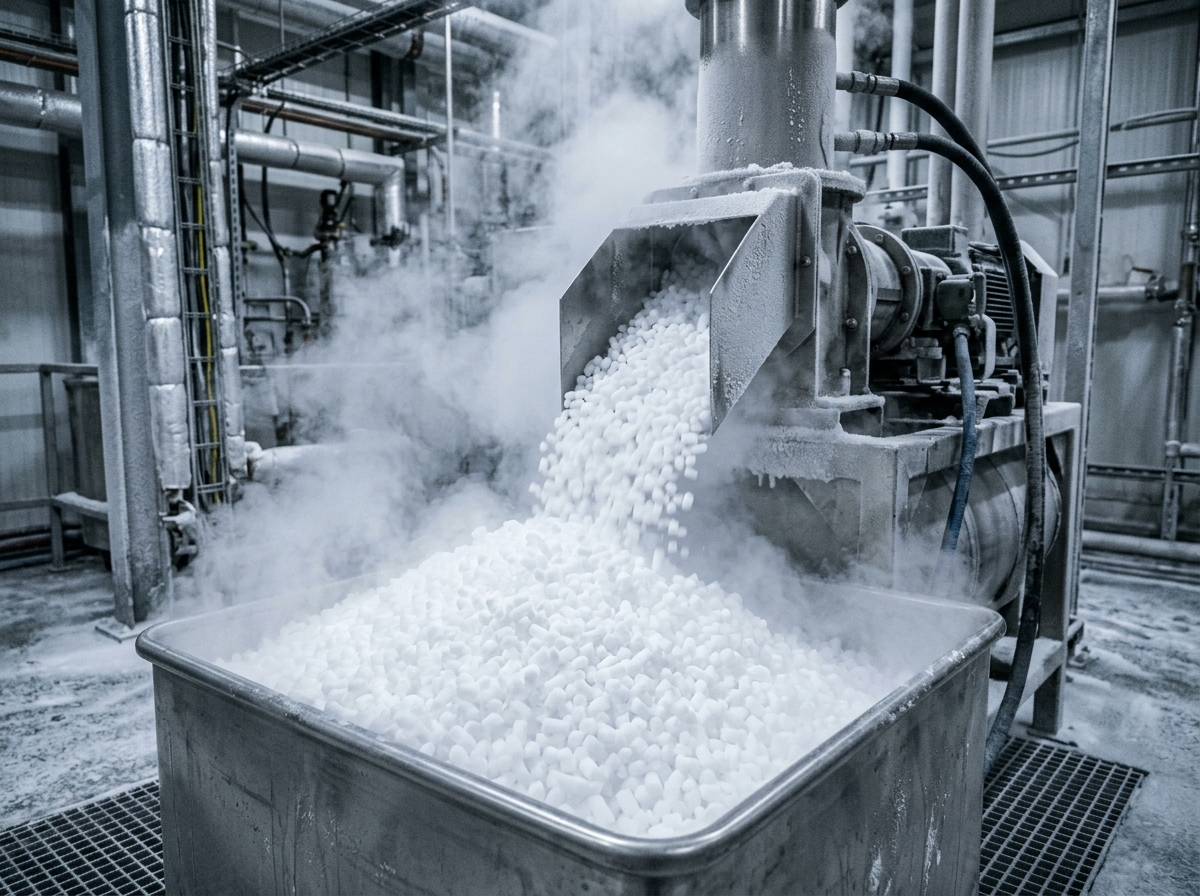
Cleaning industrial and automotive equipment is essential for maintaining performance and safety. However, selecting an inappropriate cleaning method can lead to surface damage, reduced efficiency, and increased maintenance requirements. Non-abrasive cleaning methods provide a more controlled approach, enabling effective cleaning while preserving material integrity.
Non-abrasive cleaning refers to techniques that remove contaminants without grinding, scratching, or eroding the underlying surface. These methods are designed to maintain the structural integrity and lifespan of equipment and components.
Abrasive cleaning methods can introduce micro-damage, which may accelerate wear over time. Non-abrasive approaches help maintain surface condition and reduce the risk of long-term degradation.
By preserving surface integrity, machinery and components can operate more reliably over extended periods, helping to reduce replacement frequency and associated costs.
Many non-abrasive methods minimise or eliminate the need for aggressive chemicals, contributing to safer working conditions when applied in accordance with industry guidelines.
These methods are well-suited to delicate areas such as electrical systems, coated surfaces, and precision-engineered components where abrasive techniques may be unsuitable.
While some non-abrasive solutions may involve higher upfront costs, reduced maintenance, fewer repairs, and longer equipment life can result in improved cost efficiency over the long term.
Widely used non-abrasive cleaning techniques include:
Non-abrasive cleaning is particularly suitable for:
Adopting non-abrasive cleaning methods is a practical approach for industries focused on maintaining equipment performance, reducing risk, and improving operational efficiency. By protecting critical assets and supporting safer maintenance practices, these methods contribute to more sustainable and reliable industrial operations.